Real Life Stories Details – 2025 – Latest Stories
 Empowering Communities to Seek Help Without Hesitation
In Malikpur, and in the villages around it, small clinics and quacks have long existed. Yet, people from these communities have mostly been reluctant to visit them. Not because they were far, but because trust was missing. They didn’t know what to expect inside, who they would meet or how they would be treated. So, they stayed away.
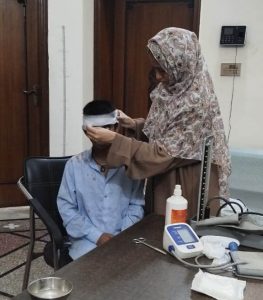 When our center opened, it was the same. People noticed it, but they didn’t come running. Change didn’t happen in a day. It took time for people to see it for themselves, to hear from others, to believe this place was different.
Now, even with other clinics nearby, people still choose to come here first. Because here, they know they’ll be cared for. They know they’ll be heard.
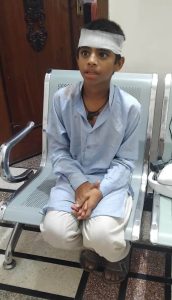
A few days ago, a 12 year old boy named Irfan fell and hit his head on the road. A man from another community, without a second thought, brought him straight to our center and left for work. He knew Irfan would be safe here, and that we would send him home after treatment. That’s the trust we’ve built, something rare and powerful in communities like these. People now know there is a place where they will get the care they need.
In a world increasingly divided by borders, documents, and politics, we often forget that suffering and pain doesn’t ask for nationality, so compassion shouldn’t either.
Children don’t choose their birthplace. They don’t decide their legal status, ethnicity, or the burdens they are born into. What they do feel, however, is hunger, pain, and helplessness.
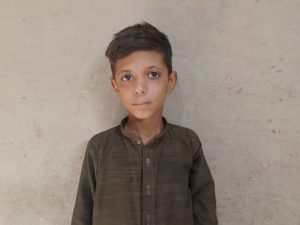
Born to Afghan refugee parents, NaimatUllah, a 10-year-old boy, has spent most of his childhood carrying responsibilities no child should. Without a valid identity card, his family faced one closed door after another.
His father, struggling with a serious heart condition, was denied treatment because he wasn’t “registered.” Being the next man of the family, Naimat was forced to work as a garbage picker to feed his family.
But soon he started facing weakness, aching limbs, and constant dizziness. These symptoms caused his mother to bring him to our Mother and Child Health Promotion Center (MCHPC) in Saggian.
Here, no one asked for paperwork. No one questioned where he came from. Instead, they asked how he was feeling and treated him with care, dignity, and kindness. Naimat received medical support, proper attention, and the respect he deserved.
Humanity should not be filtered by citizenship or background — it should be upheld as a universal right.
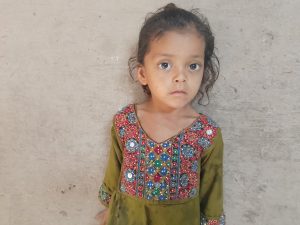 Zubaida and Rs. 2000 worth of a normal walk
Zubaida might have spent her whole life thinking her legs were just weak, that something was wrong with her. But all she needed was Vitamin D, a treatment that only cost Rs. 2000. Yes, that little.
In communities like hers, no one talks about nutrition or early intervention. Children suffer from stunted growth, bone weakness and many similar issues because problems are ignored until they become permanent.
If the Mother and Child Health Promotion Center (saggian) hadn’t been nearby, Zubaida would have never known recovery was even possible.
Just 7 Vitamin D doses, a few checkups, and some basic care. That’s all it took.
Today, Zubaida runs like any other child. And she has no idea how close she came to never walking at all. At MCPHC, by spending a fraction of money we are giving families a chance at a better future.